How I Acclimatized Without Diamox and Zero Sickness during my 700 km Trek From Spiti to Leh
700 km, 20 high passes from 2500m to 5800m from Spiti to Leh. No headache, No fever, No Diamox. Here is my exact step by step acclimatization process.
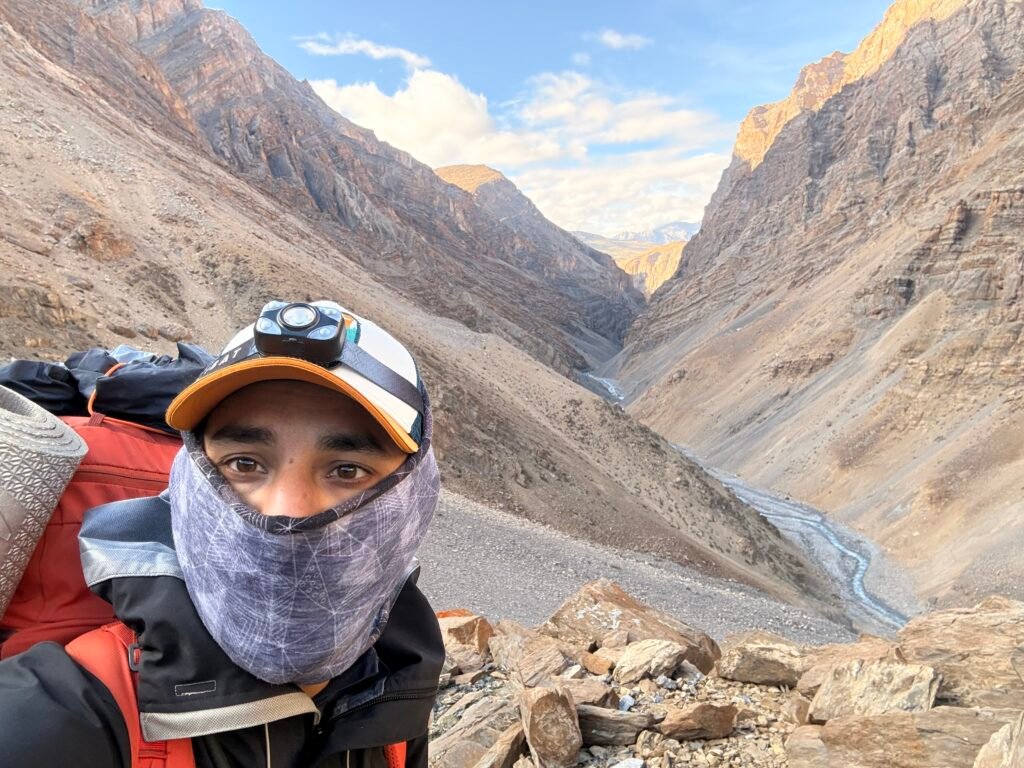
Table Of Content:
- What Is Acclimatisation To High Altitude?
- At What Altitude You Need Acclimatisation
- What Happens If You Don't Acclimatise Properly? Or What Causes High Altitude Sickness
- How Much Time Does Our Body Take To Acclimatise
- Step By Step Process To Acclimatise Properly For High Altitude Treks
- How I Acclimatised For My 700 KM Trek From Spiti To Leh, 20 High Altitude Passes, 2500m to 5800m, Without Any Sickness or Diamox
- 5 Mistakes That Can Cause Illness At High Altitude
- What To Do If You Get Altitude Sickness On A Self-Dependent Trek
What is Acclimatisation To High Altitude?
Acclimatisation is a process, where your body slowly gets used to less oxygen as you go higher in the Mountains.
Scientifically, when you go higher above 2500 meter, air pressure drops. So oxygen particle in air are less close, each breath brings less oxygen to your lungs. Your body then starts to breath faster and make more red blood cells to carry that oxygen.
The percentage of oxygen particles remains same in atmosphere, Your body needs to adapt to reduced air pressure.
At What Altitude You Need Acclimatisation?
As per studies, the effect of High Altitude starts from 8,000 feet (approx 2400 meters). Someone coming from sea level such as cities like Mumbai, Chennai. Rapid Ascent could cause mild symptoms due to High Altitude, due to rapid ascent body will not get a time to adapt to air pressure drop. After 9,000 feet (approx 2700 meters) pressure drops increases, so does the need of Acclimatisation. The Pressure drop increase is directly proportional to Increase in Altitude.
What happens if you don't Acclimatise Properly? Or What Causes High Altitude Sickness?
High Altitude Sickness happens when you go too high too fast and your body does not get time to adjust to reduced Atmospheric Pressure and less oxygen.
A person not following the process become “Hypoxic”. This is the Condition which signals insufficient oxygen in the blood.
So when you don’t follow acclimatisation process, your body which still need oxygen in their blood, increases the size of vessels to take more blood to brain. That expansion causes headace at high altitude. You will see other symptoms such as nausea, tiredness, poor sleep and loss of appetite.
In Simple Terms – Everything follows from High Pressure to Low Pressure Area, Your Lungs provides oxygen to Blood. Lungs having High Pressure and Blood having Low Pressure. So when you are at high altitude, with low atmospheric pressure, Lungs at that time having lower pressure than usual cannot diffuse much oxygen to blood. resulting in lower saturation level(SPo2) in blood. Reason you see SPo2 level at sea level more than 90% saturation and around 80% SPo2 level at 4500 meter altitude.
How Much Time Does Our Body Take To Acclimatise
As per Indian Military Practises Total Time of Acclimatisation is 14 days involving 6 days at Stage 1, 4 days at Stage 2 and another 4 days at Stage 3 – However, This Practise is for the Troops to be deployed at High Altitude for Months or even a year. Indian army defines High Altitude any area Above 9,000 feet (2700 meters).
Further Defined into 3 Stages – Stage 1, Stage 2 and Stage 3
Stage 1 – 9,000 feet to 12,000 feet (2700 m – 3600 m)
Stage 2 – 12,000 feet to 15,000 feet (3600 m – 4500 m)
Stage 3 – Above 15,000 feet (Above 4500 m)
So a person who is going just for the Trek cannot follow above process. So to know exact process on how to acclimatise for high altitude treks. You can follow the steps given in next Section and have an idea about how much time will it take to acclimatise. Every Body Adapt and React differently, so we need to keep any eye on symptoms and take decision accordingly.
Step-By-Step Process To Acclimatise Properly For High Altitude Treks
We will take an example of Hampta Pass Trek – which is at 14,100 feet (or 4300 m) which i did solo.
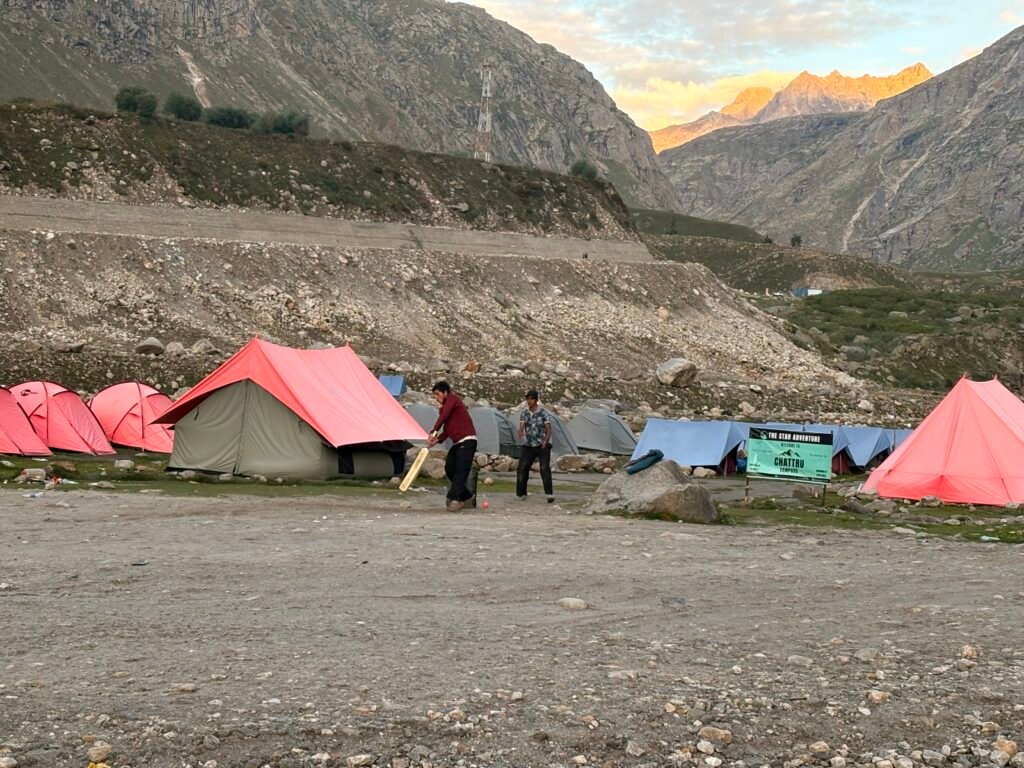
Day 1: You can spent this day in manali sight-seeing. which is at 6,730 feet (or 2,050 m).
Day 2: Hike upto chikka campsite, Altitude – 10,100 feet (or 3,070 m). This is the day where you can feel mild
headace, poor sleep. which is normal at that altitude on first day. In the evening do a walk for 100 or 200
meters from your campsite, your acclimatisation walk. There is a motto behind it – “Walk High, Sleep Low”.
Once you do your Acclimatisation Walk, your body will adjust to more low atmospheric pressure, so once
you are back at your campsite, which relatively have less low atmospheric pressure to the altitude where
you went for a walk, your body will get more adaptive.
Day 3: Hike to Balu ka Ghera campsite, Altitude – 11,800 feet (or 3600 m). Camp at 3600 m not above that. Again
Follow Acclimatisation Walk Process. You don’t have to gain altitude more than 600 meters in a day.
Day 4: Cross the Pass which is at 14,100 feet (or 4300 m).
Main point to note is never gain more than 600 meter Altitude in a day, when you are doing Acclimatisation Process. Once you are acclimatise you are good to gain more than that altitude.
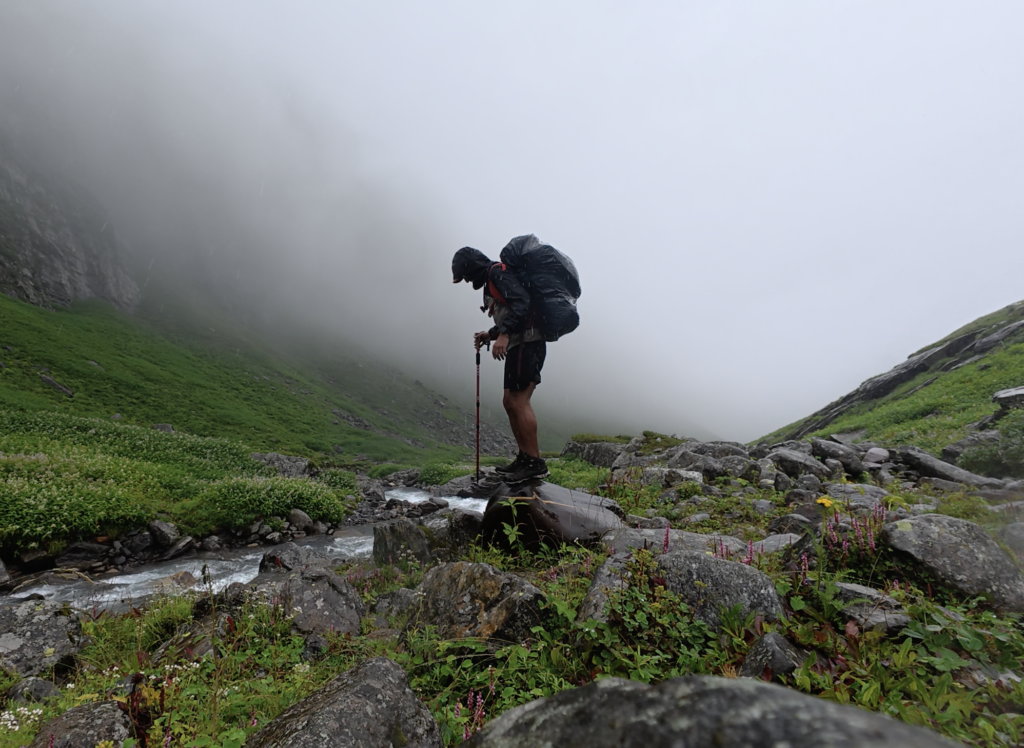
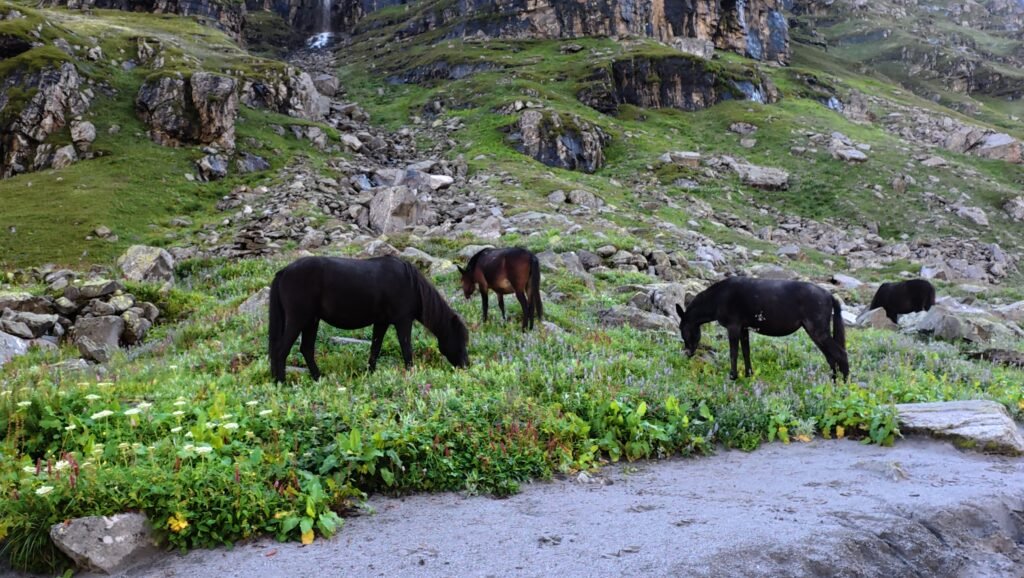
How I Acclimatised For My 700 KM Trek From Spiti To Leh, 20 High Altitude Passes, 2500m to 5800m, Without Any Sickness or Diamox
I used Hampta Pass Trek – which is at 14,100 feet (or 4300 m) for my Acclimatisation and I followed to process upto 16,400 feet (or 5000 m) where is slept highest during my acclimatisation process.
Day 1: Spent this day in manali sight-seeing. which is at 6,730 feet (or 2,050 m).
Day 2: Hike upto chikka campsite, Altitude – 10,100 feet (or 3,070 m). Went on an Acclimatisation walk and
gained 200 meter of elevation. only slept for 4 to 5 hours which is normal during the process.
Day 3: Hike to Balu ka Ghera campsite, Altitude – 11,800 feet (or 3600 m). Camped at 3600 m. Followed
Acclimatisation Walk Process. Again 4 to 6 hours of sleep and no headace.
Day 4: Cross the Pass which is at 14,100 feet (or 4300 m).
Day 5: Reached, Kibber which is at 14,000 feet (or 4200 m). No issue of poor sleep or headace.
Day 6: Camped at 14,500 feet (or 4500 m), during the Parang La Trek. No issue of poor sleep or headace and
Tiredness.
Day 7: Camped at 16,400 feet (or 5000 m), Parang La Base camp. Slept only 3 to 4 hours (normal), very mild
headace(normal). No tiredness. As i went for the first time at this altitude in my life and slept there, these
are the normal symtoms to have, we have to tolerate them.
I followed the exact steps mentioned above and you can also follow the same, Important point to note – every body adjust differently so individual have to keep an eye on themselves. Any severe symptoms, take your body to lower altitude immediately. This will give your body little relaxation and make decision accordingly.
Always keep an oximeters if you are hiking above 4000 m and keep an eye on Saturation, i followed the same during my whole trek from Spiti To Leh.
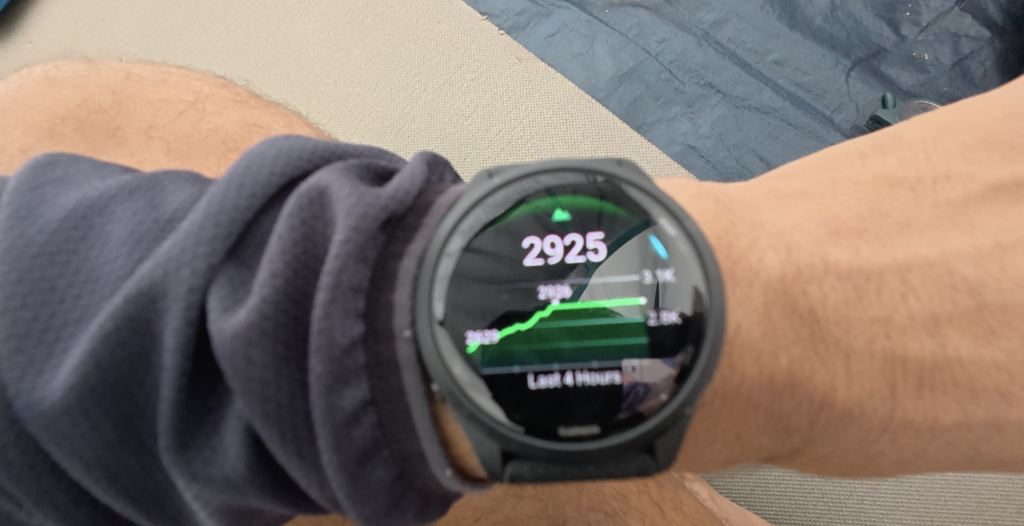
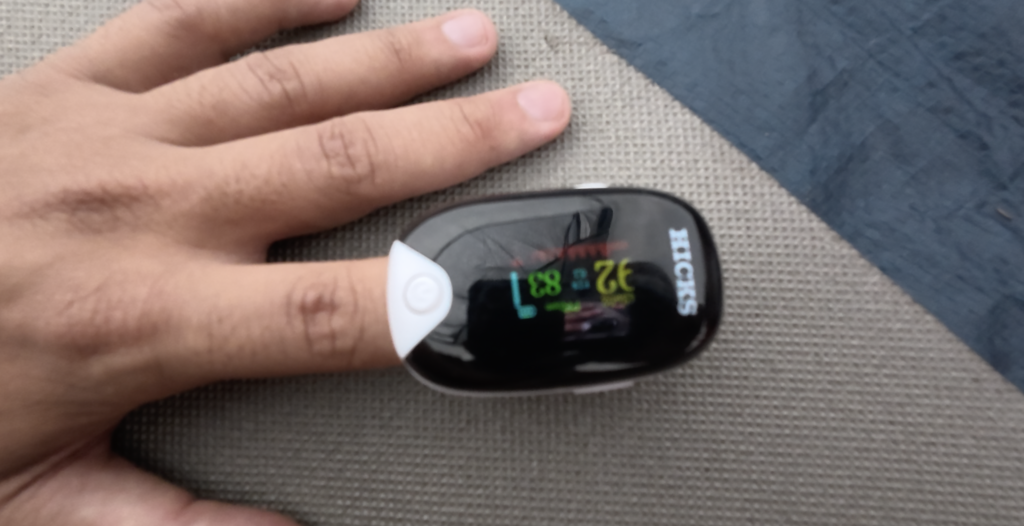
5 Mistakes That Can Cuase Illness At High Altitude
1. Going too high too fast: Many trekkers gain 1000 meters in one day above 3000 meters. Your body needs only 400 to 600 meters increase per day for sleeping altitude.
2. Drinking less water: At high altitude you lose water faster through breathing. Less water makes headache and fatigue worse. Drink 3 to 4 liters through the day.
3. Alcohol, smoking and sleeping pills: Alcohol and smoking make it harder for your body to take in oxygen. Sleeping pills slow your breathing at night. Avoid them above 3000 meters.
4. Ignoring early signs: Severe Headache, nausea and poor sleep are early warnings. If you ignore them and keep climbing, sickness gets worse. Stop ascent when you feel them.
5. Proper Clothing: Wearing Same cloth in which you Trek while sleeping will cause uncomfortable sleep. Always wear dry clothes while sleeping and to keep you warm.
What To Do If You Get Altitude Sickness On A Self-Dependent Trek
1: First and Important Point to keep in mind while creating a plan for a trek, Always keep an exit point in mind. On month long traverses, divide them into section and each section should have EXIT points. So in case you emergency you can take an exit.
2: Always keep a tag on your nearest Town, Village and Highways in your Traverse Planning.
3: In case of Altitude Sickness, First step is to reduce the Altitude.
4: Never be over confident, If your body does not allow you to continue stop, take rest and then take decision as per the situation.
5: Drink More and More water at High Altitude, it keep you away from sickness almost 90% of the time.